Buying or selling real estate is often one of the most significant financial decisions a person or business will make. Yet despite advances in digital technology, the process remains slow, expensive, and heavily dependent on intermediaries. Buyers, sellers, real estate agents, banks, lawyers, notaries, escrow providers, and government registries all play essential roles, but coordinating these parties can take days—or even weeks.
Blockchain technology and smart contracts offer a new approach. By automating key stages of the transaction and creating a transparent, tamper-resistant record of ownership, they have the potential to dramatically simplify real estate transfers while reducing costs and minimizing the risk of fraud.
Although legal frameworks continue to evolve in many jurisdictions, the underlying technology is already demonstrating how property transactions can become faster, more secure, and significantly more efficient.
Why Traditional Real Estate Transactions Take So Long
Property transfers involve multiple verification steps.
Typical processes include:
- Identity verification
- Property ownership confirmation
- Mortgage approval
- Escrow management
- Contract signing
- Legal review
- Tax verification
- Registration of ownership
Each stage often depends on separate organizations using different systems.
Documents move back and forth between parties, manual approvals create delays, and administrative errors can slow the entire transaction.
Even relatively straightforward purchases may require several weeks to complete.
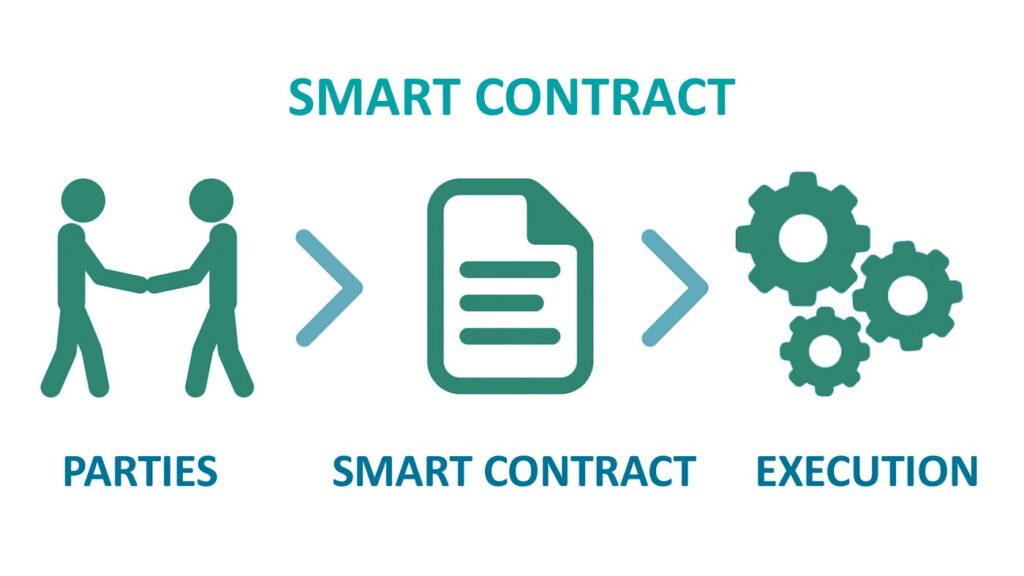
What Is a Smart Contract?
A smart contract is a digital agreement stored on a blockchain that automatically executes predefined actions once agreed conditions are met.
Unlike traditional contracts that require manual enforcement, smart contracts can perform actions automatically.
For example:
- Confirm payment
- Transfer digital ownership records
- Notify participants
- Record transaction history
- Trigger additional business processes
The contract follows predetermined rules without relying on continuous manual intervention.
This automation reduces delays while increasing transparency.
Reducing the Number of Intermediaries
Real estate transactions require trusted oversight for legal and regulatory reasons, and many jurisdictions will continue to involve professionals such as lawyers and notaries.
However, blockchain technology can reduce unnecessary administrative steps by automating repetitive verification processes.
Instead of manually confirming information multiple times, authorized participants can access a shared, verified source of truth.
This reduces:
- Duplicate document reviews
- Manual data entry
- Communication delays
- Administrative overhead
- Reconciliation efforts
Professionals spend more time providing expertise and less time handling paperwork.
Building Trust Through Transparency
One of the greatest risks in property transactions is uncertainty.
Buyers want confidence that:
- The seller owns the property.
- The title is authentic.
- There are no undisclosed claims or restrictions.
- Documents have not been altered.
Blockchain creates an immutable history of verified records.
Each authorized update receives:
- A timestamp
- Cryptographic verification
- Identity validation
- Permanent audit history
This transparency significantly improves confidence throughout the transaction process.

Preventing Fraud
Real estate fraud can involve forged documents, identity theft, duplicate sales, or unauthorized ownership transfers.
Blockchain helps reduce these risks by creating tamper-evident records that cannot be secretly modified after validation.
While no technology alone can eliminate every type of fraud, blockchain strengthens security by making unauthorized changes immediately detectable and by improving the integrity of transaction records.
Combined with robust identity verification and legal oversight, it provides a stronger foundation for secure property transfers.
Faster Settlement Through Automation
Traditional settlements often require multiple organizations to confirm that every contractual obligation has been satisfied.
Smart contracts can automate these workflows.
For example, once the system confirms that:
- Funds have been received.
- Required approvals are complete.
- Ownership verification has been completed.
- All contractual conditions have been satisfied.
The platform can automatically trigger the next approved step in the process, reducing unnecessary waiting between approvals.
Instead of relying on manual coordination, the workflow proceeds according to predefined business rules.
Tokenization Opens New Opportunities
Blockchain also introduces the concept of digital property representation.
Real estate assets may be represented by secure digital tokens that reflect ownership rights or investment interests, subject to applicable legal and regulatory requirements.
Potential benefits include:
- Fractional investment
- Improved liquidity
- Simplified ownership transfers
- Expanded investment access
- More efficient portfolio management
Although regulatory adoption varies globally, tokenization is attracting increasing attention from institutional investors and property developers.
Better Record Management
Property ownership records often span decades.
Managing this information across multiple databases creates opportunities for inconsistencies.
Blockchain provides a unified historical record that documents:
- Ownership history
- Property transfers
- Legal agreements
- Renovation records
- Mortgage activity
- Compliance documentation
Having a complete digital history improves due diligence while simplifying audits and future transactions.

Integration with Existing Systems
Blockchain is not intended to replace every existing component of the real estate ecosystem.
Instead, it complements existing technologies such as:
- Property management systems
- Government registries
- Banking platforms
- Identity verification services
- Digital document management
- Enterprise ERP solutions
Successful implementations focus on interoperability rather than replacement.
This allows organizations to modernize gradually while preserving established business processes.
The Future of Digital Property Transactions
Real estate is becoming increasingly digital.
Electronic signatures, online property listings, virtual tours, and digital mortgage applications have already transformed many parts of the buying experience.
Blockchain represents the next stage of this evolution.
As legal frameworks continue to mature, smart contracts are expected to streamline administrative processes, improve transparency, strengthen security, and reduce transaction times.
While purchasing a property in just fifteen minutes may not yet be possible in every jurisdiction due to regulatory requirements, the technology demonstrates how much of today’s paperwork and manual coordination can be automated.
The future of real estate will be defined by trusted digital infrastructure that enables faster, safer, and more transparent transactions for everyone involved.
Secure Smart Contract Solutions for Real Estate
Our company develops enterprise-grade smart contract solutions designed to support secure, transparent, and legally robust digital transactions. From architecture design to deployment, every solution undergoes comprehensive technical development and legal review to ensure that automated workflows align with applicable regulatory and business requirements.
Our expertise includes decentralized transaction platforms, secure digital agreement frameworks, and blockchain-based ownership workflows that integrate with existing enterprise and government systems. By combining advanced blockchain engineering with rigorous legal auditing, we help organizations reduce operational complexity while maintaining the highest standards of security, compliance, and trust.
As the real estate industry continues its digital transformation, our mission is to provide the technology foundation for faster, more reliable, and future-ready property transactions.