In today’s digital world, identity has become one of the most valuable assets a person owns. Every online service—from banking and healthcare to education, e-commerce, and government portals—requires users to prove who they are. Yet despite enormous advances in digital technology, identity management still relies on outdated models that require individuals to repeatedly share personal information with dozens or even hundreds of organizations.
This centralized approach creates significant privacy and security risks. Every additional database containing personal information becomes another potential target for cybercriminals. Data breaches, identity theft, and unauthorized sharing of personal information have become common challenges for both citizens and organizations.
Self-Sovereign Identity (SSI) offers a fundamentally different vision. Instead of organizations owning and controlling digital identities, SSI gives individuals direct control over their personal credentials, allowing them to decide when, where, and how their information is shared.
Built on decentralized technologies such as blockchain, SSI represents one of the most promising developments in the future of digital identity.
The Problem with Traditional Digital Identity
Most online identity systems follow the same pattern.
A user creates an account.
Personal information is uploaded.
The service stores the data in its own centralized database.
This process is repeated across countless platforms.
As a result, individuals often maintain separate accounts for:
- Banks
- Government services
- Universities
- Employers
- Healthcare providers
- Insurance companies
- Online retailers
- Subscription platforms
Each organization stores another copy of the same personal information.
The more copies exist, the greater the overall security and privacy risk.
What Is Self-Sovereign Identity?
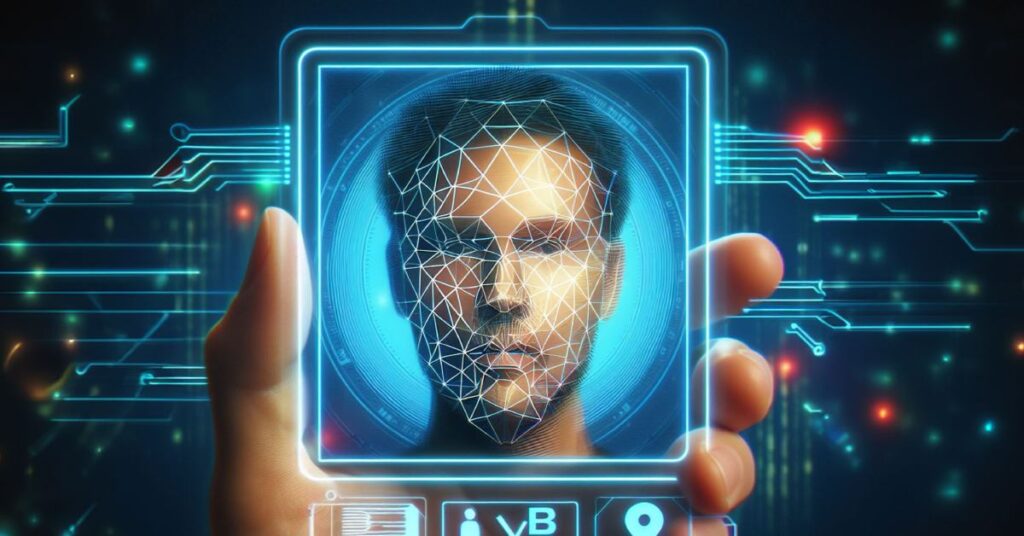
Self-Sovereign Identity is a decentralized identity model in which individuals own and manage their digital credentials.
Rather than depending on a single identity provider, users maintain their own digital identity wallet containing verified credentials issued by trusted organizations.
Examples include:
- Government-issued identification
- Driver’s licenses
- Educational certificates
- Professional qualifications
- Employee credentials
- Healthcare records
- Business authorizations
The individual—not the service provider—controls access to these credentials.
How SSI Works
SSI is built around three primary participants:
Issuer
A trusted organization issues a verifiable digital credential.
Examples include governments, universities, employers, or financial institutions.
Holder
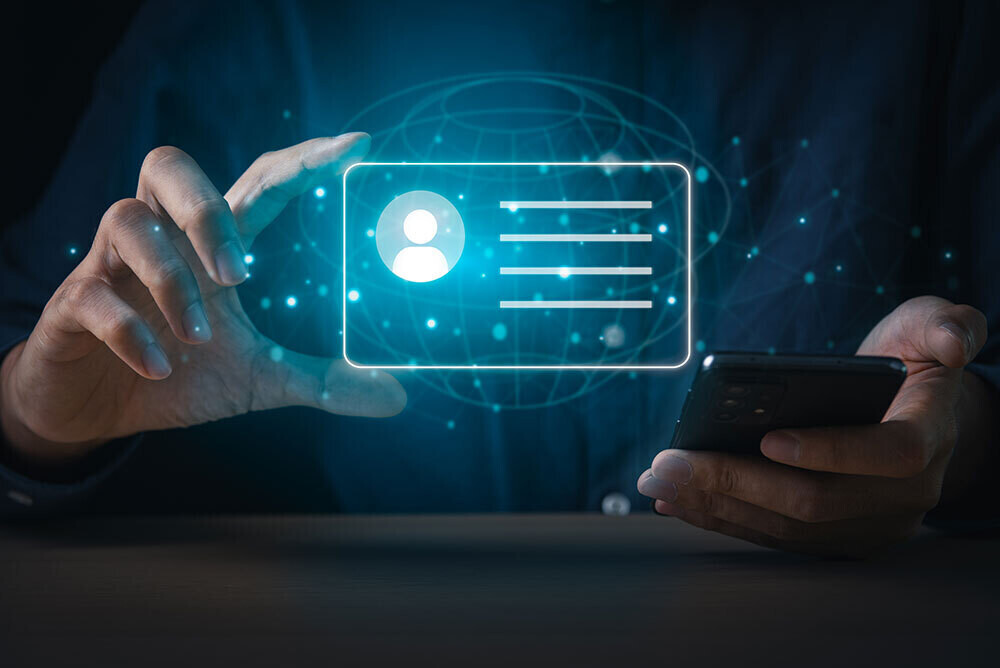
The individual securely stores these credentials in a digital identity wallet.
Verifier
When access to a service is required, the individual presents only the necessary credential for verification.
The verifier confirms authenticity using cryptographic methods without needing to contact the issuing organization every time.
This creates a faster, more privacy-focused verification process.
Blockchain Supports Trust, Not Personal Data Storage
A common misconception is that blockchain stores personal information directly.
In enterprise SSI systems, this is generally not the case.
Sensitive personal data remains under the user’s control within secure digital wallets.
Blockchain typically stores only the information necessary to verify the authenticity and validity of credentials, such as decentralized identifiers (DIDs), public keys, or credential status information.
This approach strengthens privacy while maintaining trust.
Sharing Only What Is Necessary
Traditional identity verification often requires individuals to disclose far more information than necessary.
For example:
To prove legal age, a person may present an identity document containing:
- Full name
- Address
- Date of birth
- Identification number
- Photograph
With SSI, advanced cryptographic techniques allow users to prove specific facts without revealing unrelated personal information.
A service can verify that a customer is over the required age without learning their exact birthdate or home address.
This principle of data minimization significantly improves privacy.
Eliminating Password Fatigue
Modern users manage dozens of online accounts.
Remembering unique passwords for every service has become increasingly difficult.
SSI reduces dependence on traditional username-and-password authentication by enabling secure identity verification through cryptographic credentials.
Although authentication methods vary by implementation, decentralized identity can simplify user experiences while reducing reliance on password-based systems.
Benefits for Governments and Businesses
SSI creates advantages for organizations as well as citizens.
Businesses benefit from:
- Faster onboarding
- Reduced identity fraud
- Lower compliance costs
- Improved customer experience
- Simplified verification processes
Governments gain:
- More secure digital public services
- Improved citizen privacy
- Stronger protection against identity theft
- Better interoperability between agencies
- Reduced administrative complexity
Trust becomes embedded within the identity infrastructure itself.
Building a Digital Economy Around Trust
As digital services continue expanding, reliable identity verification becomes increasingly important.
SSI can support:
- Cross-border digital services
- Online education
- Financial services
- Healthcare systems
- Professional licensing
- Digital government
- Business partnerships
Instead of repeatedly recreating identity information, individuals carry trusted digital credentials that work across multiple platforms.
This improves both efficiency and security.

Challenges on the Path to Adoption
Despite its promise, SSI is still evolving.
Successful adoption requires:
- Common technical standards
- Regulatory alignment
- Interoperable ecosystems
- User-friendly applications
- Secure wallet infrastructure
- Public trust
Governments, technology providers, and standards organizations are actively working together to establish frameworks that support widespread decentralized identity adoption.
As these ecosystems mature, SSI is expected to become an increasingly important component of the digital economy.
The Future of Identity Belongs to Individuals
For decades, digital identity has been fragmented across countless databases controlled by different organizations.
Self-Sovereign Identity reverses this model.
Instead of organizations managing people’s identities, individuals become the trusted custodians of their own credentials.
Blockchain provides the foundation for secure verification.
Cryptography provides trust.
Decentralization provides resilience.
Together, these technologies create a future where digital identity is more secure, more private, and far more user-centric than today’s centralized systems.
The future of digital identity is not about collecting more personal data.
It is about giving people greater control over the data they already own.
Building the Infrastructure for Decentralized Identity
Our company is developing next-generation decentralized identity infrastructure based on globally recognized standards for Decentralized Identifiers (DIDs) and Verifiable Credentials. Our solutions are designed to help governments, enterprises, and digital service providers implement secure, privacy-focused identity ecosystems that place individuals in control of their personal information.
From digital identity wallets and credential verification services to enterprise DID registries and interoperable authentication platforms, we build scalable SSI solutions that integrate seamlessly with existing digital infrastructure. Every implementation is designed with security, compliance, interoperability, and user experience in mind, enabling trusted identity verification without unnecessary exposure of sensitive personal data.
As digital transformation continues across both the public and private sectors, we are committed to creating decentralized identity systems that empower individuals, strengthen organizational trust, and lay the foundation for a more secure and privacy-preserving digital future.