Counterfeiting has become one of the fastest-growing challenges facing global businesses. From luxury goods and pharmaceuticals to electronics, automotive components, and industrial equipment, counterfeit products cost companies billions of dollars each year while putting consumers’ safety and trust at risk.
Traditional methods of product verification—such as paper certificates, barcodes, holograms, or serial numbers—have become increasingly vulnerable to sophisticated fraud. As counterfeiters adopt more advanced techniques, businesses require stronger solutions that provide transparency throughout the entire product lifecycle.
Blockchain technology offers a new approach. By creating an immutable record of every stage in a product’s journey, it enables manufacturers, distributors, retailers, and consumers to verify authenticity with confidence. Rather than relying on isolated databases or paper documentation, organizations gain access to a trusted digital history that cannot be secretly altered.
The Global Counterfeit Challenge
Counterfeit goods affect nearly every industry.
Common targets include:
- Luxury fashion and accessories
- Pharmaceuticals
- Medical devices
- Automotive parts
- Consumer electronics
- Industrial machinery
- Food and beverages
- Cosmetics
The consequences extend far beyond financial losses.
Counterfeit products can result in:
- Health and safety risks
- Brand reputation damage
- Regulatory violations
- Supply chain disruptions
- Warranty fraud
- Lost customer trust
Protecting product authenticity has become both a commercial and a public safety priority.
Why Traditional Tracking Systems Fall Short
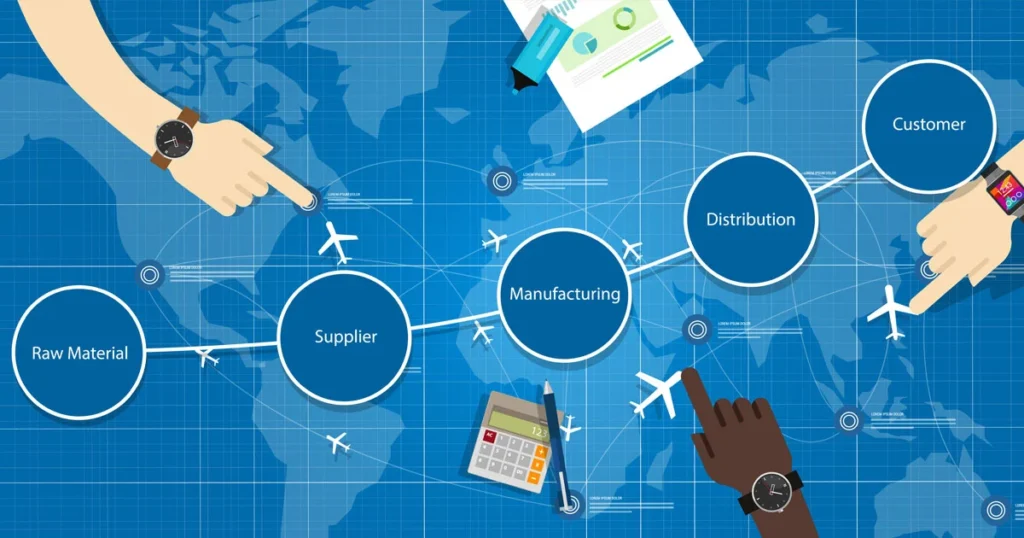
Many supply chains still rely on disconnected systems.
Manufacturers, logistics providers, warehouses, distributors, and retailers often maintain separate databases that do not communicate effectively with one another.
This fragmentation creates opportunities for:
- Data inconsistencies
- Manual errors
- Document manipulation
- Unauthorized product substitution
- Limited traceability
Even when digital tracking exists, centralized databases may allow records to be modified without creating a permanent audit trail.
As supply chains become more global and complex, these limitations become increasingly difficult to manage.
Blockchain Creates a Single Source of Truth
Blockchain replaces fragmented records with a shared, tamper-evident ledger accessible to authorized participants.
Every significant event in a product’s lifecycle can be recorded, including:
- Raw material sourcing
- Manufacturing
- Quality inspections
- Packaging
- Warehouse transfers
- International shipping
- Customs clearance
- Retail delivery
Each transaction receives a timestamp and cryptographic verification before becoming part of the permanent record.
Because every participant references the same trusted ledger, disputes over product history are dramatically reduced.
End-to-End Traceability
One of blockchain’s greatest strengths is complete product traceability.
Every product receives a unique digital identity linked to its production history.
As the product moves through the supply chain, new records are added rather than replacing previous ones.
This creates an uninterrupted chain of custody that documents:
- Where the product originated
- Who handled it
- When ownership changed
- Which inspections were completed
- Whether transportation conditions were maintained
- When it reached the customer
This level of visibility strengthens operational control while improving consumer confidence.
Verifying Authenticity in Seconds
Modern blockchain-based verification systems often integrate with technologies such as:
- QR codes
- NFC tags
- RFID chips
- Secure serial numbers
- Digital certificates
Consumers or business partners simply scan the product to verify its origin and lifecycle.
Instead of trusting printed labels or certificates that may be forged, users access cryptographically verified records stored on the blockchain.
Verification becomes fast, transparent, and reliable.
Protecting High-Value Industries
Some industries benefit particularly strongly from blockchain traceability.
Pharmaceuticals
Patients and healthcare providers can verify that medicines originated from licensed manufacturers and remained within approved distribution channels.
Luxury Goods
Fashion brands can demonstrate authenticity while protecting intellectual property and preserving brand value.
Automotive Manufacturing
Manufacturers can verify genuine replacement parts throughout global service networks.
Industrial Equipment
Maintenance teams can confirm component history and certification before installation.
Food Supply Chains
Businesses can trace products from farms to consumers, improving food safety and accelerating product recalls when necessary.
Building Consumer Trust
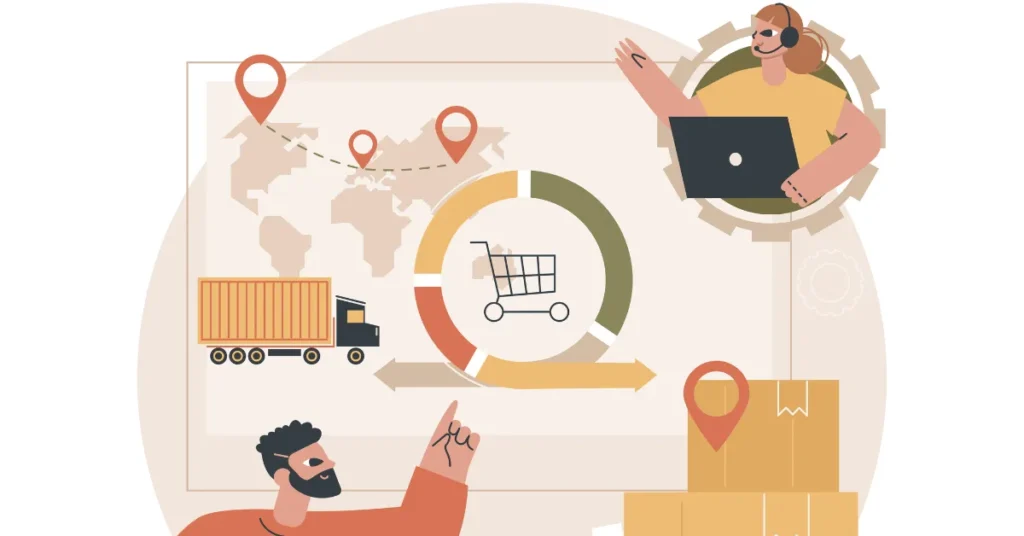
Today’s consumers increasingly care about transparency.
They want to know:
- Where products were made
- How they were manufactured
- Whether materials were ethically sourced
- If sustainability claims are genuine
- Whether products are authentic
Blockchain enables businesses to provide verifiable information rather than relying solely on marketing claims.
Transparency becomes a competitive advantage.
Improving Internal Operations
Blockchain-based traceability benefits organizations internally as well.
Businesses gain better visibility into:
- Inventory movement
- Supplier performance
- Production quality
- Compliance documentation
- Warranty management
- Recall procedures
Instead of searching across multiple disconnected systems, teams access a single trusted record of product history.
This improves operational efficiency while reducing administrative overhead.
Blockchain Does Not Replace Existing Systems
Many organizations assume blockchain requires replacing ERP or supply chain software.
In reality, blockchain is designed to complement existing enterprise infrastructure.
It can integrate with:
- ERP platforms
- Warehouse management systems
- CRM software
- Manufacturing execution systems
- IoT sensors
- Logistics platforms
Blockchain becomes the trusted verification layer that connects existing business processes without disrupting daily operations.
The Future of Supply Chain Transparency
Global supply chains continue to grow in complexity.
Customers expect greater transparency.
Regulators require stronger compliance.
Businesses demand better visibility.
Blockchain addresses all three needs by creating secure, verifiable records that remain trustworthy throughout the product lifecycle.
In the future, proving authenticity may become just as important as manufacturing quality itself.
Organizations that invest in transparent supply chains today will be better positioned to earn customer trust, strengthen regulatory compliance, and protect their brands against increasingly sophisticated counterfeiting.
Building Trusted Product Traceability Solutions
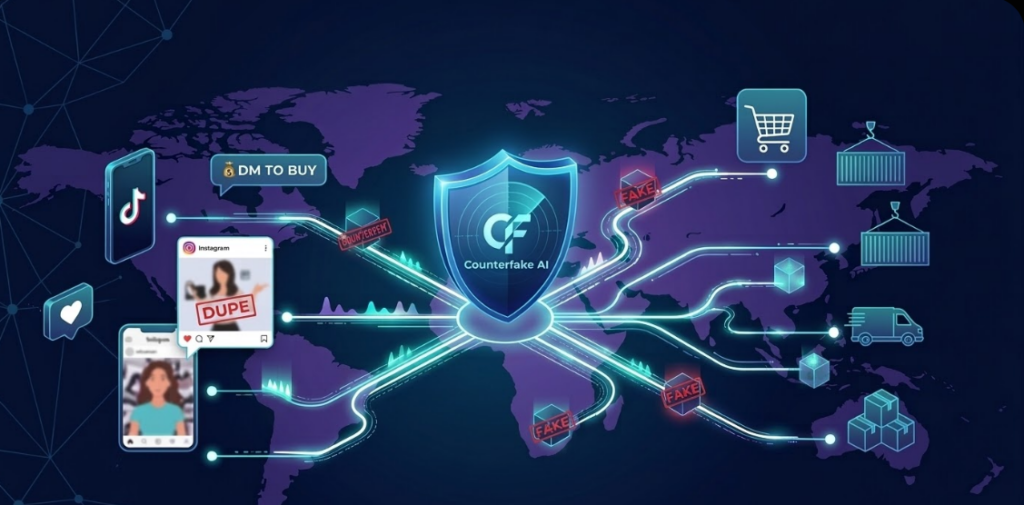
Our company develops blockchain-powered traceability modules that enable organizations to verify product origin, monitor supply chain events, and protect their brands from counterfeit goods. Designed for enterprise environments, our solutions create immutable digital records that follow products from manufacturing through distribution to the end customer.
By integrating seamlessly with existing ERP, logistics, and inventory management systems, our tracking solutions provide complete visibility without disrupting established workflows. Businesses can automate provenance verification, strengthen compliance, improve recall management, and offer customers instant proof of authenticity through secure digital records.
As global supply chains become increasingly interconnected, trusted product traceability is no longer a competitive advantage—it is a business necessity. Our team helps organizations build transparent, resilient, and secure supply chain ecosystems that protect both brand reputation and consumer confidence.